Hollywood’s war against AI is starting to feel less like a fight for survival and more like an attempt to slow down the inevitable.
You can already see the shift happening across the industry.
Disney recently cut roughly 1,000 jobs across its film, television, and streaming divisions, including teams tied to Marvel’s visual development and concept art departments — the people responsible for designing characters, environments, and the visual identity of major productions.
Officially, the company framed the layoffs as part of creating a “more agile and technologically enabled workforce.” But the meaning behind that corporate language is hard to ignore.
Studios are beginning to realize they no longer need the same size creative workforce they once did. AI tools are becoming fast, accessible, and increasingly capable of handling parts of production that previously required entire teams.
At the same time, independent creators are showing just how powerful these tools have already become.
A single creator can now produce long-form cinematic content from home using generative AI — complete with voices, environments, editing, music, and storytelling. What would have required massive budgets and years of labor not long ago can now be done with consumer software and enough time.
That reality is exactly why so many writers, artists, and performers are nervous.
The 2023 Hollywood strikes secured temporary protections against AI replacing writers and digital performances, but technology doesn’t stop evolving because contracts exist. Every few months these tools become more polished, more efficient, and more difficult for studios to ignore.
And executives are paying attention.
From a business perspective, AI represents something Hollywood has always chased: lower production costs and faster turnaround times. If studios eventually believe they can create films, shows, or animated projects with significantly smaller teams, many traditional roles across writing, storyboarding, VFX, animation, and concept design could shrink dramatically.
That’s the deeper issue hiding behind both the layoffs and the strikes.
Creative workers are being pressured from both sides at once. Companies are already cutting costs, while AI continues automating more of the production pipeline year after year.
The technology still has obvious weaknesses. AI-generated stories can feel hollow, repetitive, or emotionally disconnected compared to work made entirely by people. But industries are often transformed long before technology becomes perfect. In many cases, “good enough” and far cheaper is all companies need to justify massive change.
At the exact same time, independent creators are proving how advanced this technology has already become.
Projects that once required huge budgets, years of labor, and entire departments can now be created by small teams — sometimes even a single person working from home with generative AI software.
Examples are already everywhere:
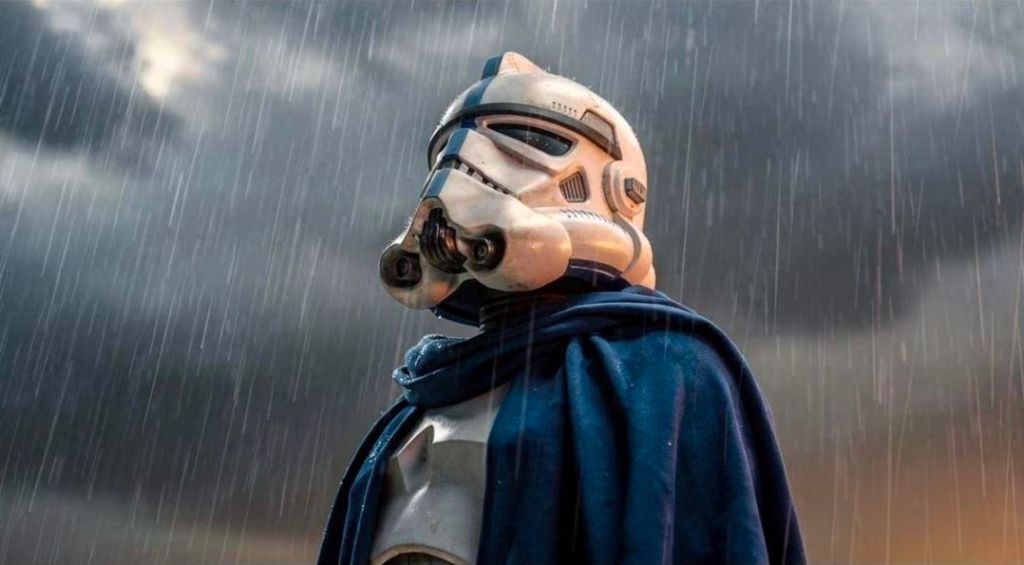
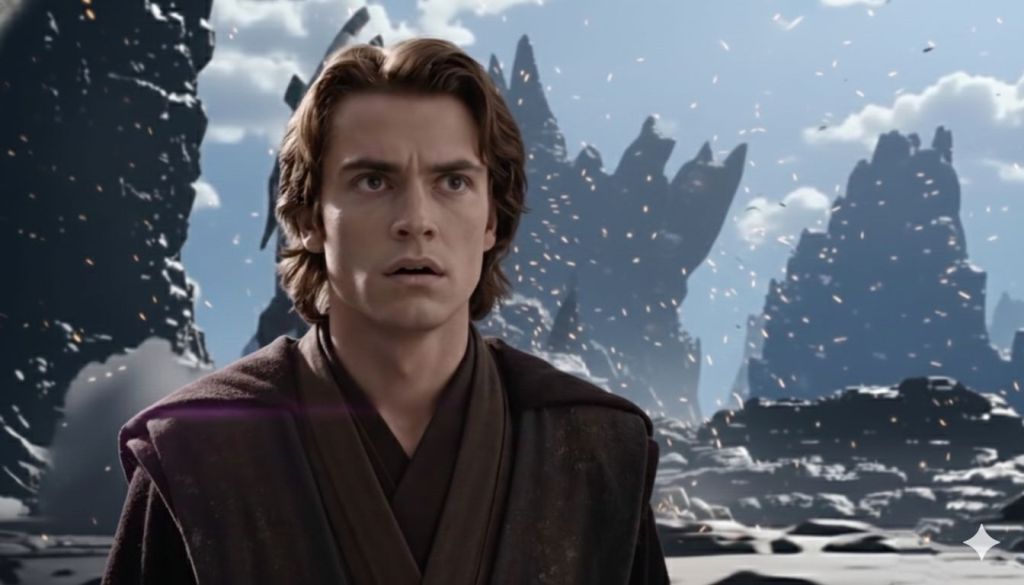
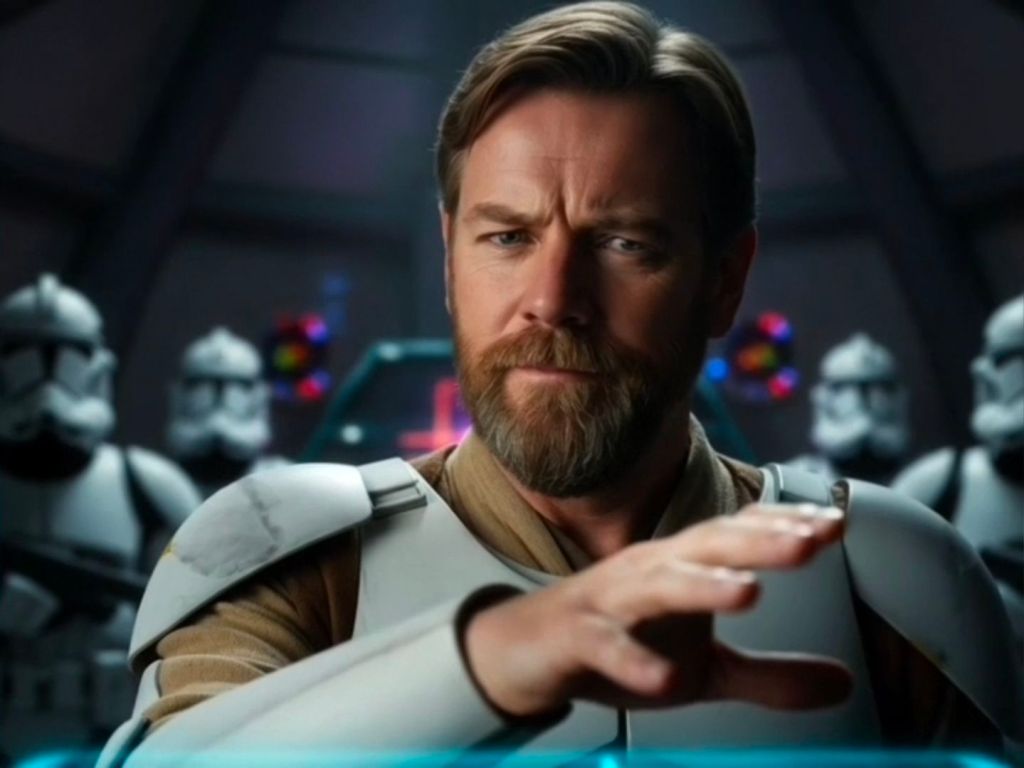
AI-generated Star Wars-style productions:
https://youtu.be/q8tkPUL4ikM?si=5WCqbm_S5AF9ur5Q
And another full cinematic AI episode:https://lnkd.in/ggw-puff
These aren’t tiny tech demos anymore. They feature dialogue, voice synthesis, cinematic environments, editing, music, and long-form storytelling created with AI-assisted workflows.
That reality explains why so many writers, artists, animators, and actors in Hollywood are worried.
The 2023 strikes gave temporary protections against AI replacing writers or digitally replicating performers, but technology continues advancing whether contracts exist or not. Every few months these tools improve again — faster rendering, better animation, more natural voices, stronger consistency.
Studios see that evolution clearly.
Executives are now looking at AI-generated productions and asking difficult financial questions. If future films or streaming projects can be made with much smaller teams, what happens to the thousands of writers, storyboard artists, VFX crews, animators, and designers who traditionally powered the industry?
That’s the deeper truth behind both the strikes and the layoffs.
Creative workers are being squeezed from both directions at once. Companies are aggressively cutting costs while AI keeps automating more of the production pipeline year after year.
The technology still has flaws. AI storytelling can feel repetitive, emotionally weaker, or visually inconsistent compared to projects fully crafted by humans. But history shows industries rarely wait for technology to become perfect. If something becomes “good enough” while dramatically reducing cost and production time, companies eventually adapt around it.
The strikes may have delayed that transition for now, but they probably didn’t stop it.
Hollywood is entering a different era, and AI is quickly becoming part of the industry’s foundation whether people are ready for it or not.
#AI #Hollywood #Disney #FilmIndustry #StarWars #Streaming #Creativity #Entertainment
 Student of Seton Hall University🎓 • UNA MEMBER • NGO
You must be logged in to post a comment.